Blog Post
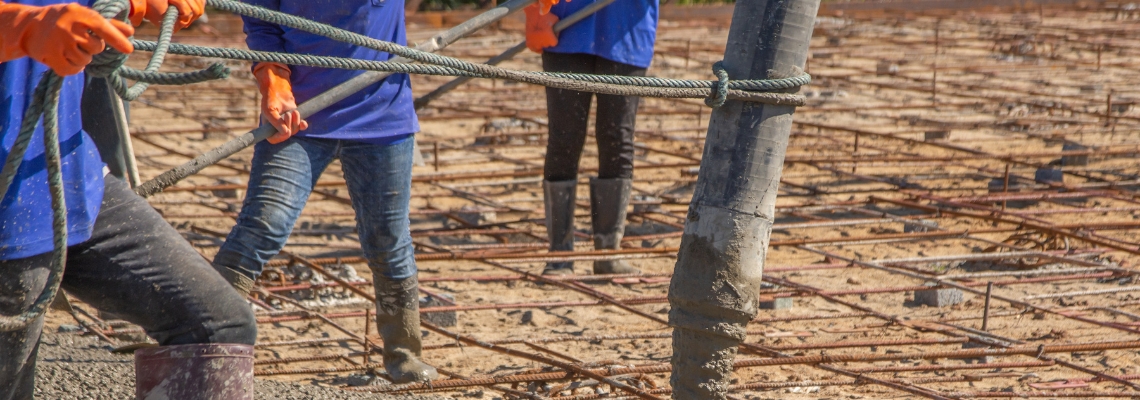
Concrete stands at the centre of modern construction. From roads and bridges to homes and industrial buildings, it shapes the spaces people use every day. Yet traditional concrete has one major weakness. It can crack under pressure, shrink over time and struggle against repeated stress. This is where fibres admixture has changed the way engineers and builders think about concrete strength and durability.
Fibres admixture plays an important role in improving concrete strength, reducing surface cracking and increasing long term durability in construction projects. By spreading reinforcement evenly throughout the concrete mix, fibres admixture helps create stronger surfaces that can better handle pressure, heavy traffic and changing weather conditions.
Experts working in concrete supply and transport understand that concrete performance is not only about cement and water ratios. Small additions inside the mix can completely change how concrete behaves after pouring, during curing and throughout its service life. Fibres admixture is one of the most important developments in this area because it helps control cracking, improves impact resistance and supports better load distribution across the surface.
The growing demand for industrial flooring, commercial yards, domestic driveways and large scale construction projects has also increased interest in concrete that can handle daily pressure without early damage. Fibre reinforced concrete is now widely used because it helps create stronger surfaces that can cope with weather changes, heavy traffic and constant use.
Concrete may look solid and dense, but inside the structure there are tiny weak points that can develop into cracks over time. These cracks often begin during the curing process when moisture leaves the concrete and shrinkage starts to occur. Temperature changes, pressure from loads and repeated movement can then make these cracks larger. Fibres admixture works by spreading thousands of small reinforcing fibres throughout the concrete mix. These fibres act like internal support systems that help hold the concrete together.
When concrete begins to experience stress, the fibres help distribute the force more evenly across the structure. Instead of allowing pressure to focus on one weak point, the fibres reduce the risk of sudden cracking. This is one reason why many construction professionals now use fibre reinforced concrete in high traffic areas and industrial environments where long term strength matters.
Different types of fibres are used depending on the project requirements. Steel fibres are often chosen for heavy duty applications because they improve toughness and impact resistance. Polypropylene fibres are commonly used to reduce shrinkage cracking in domestic and commercial concrete work. Glass fibres and synthetic fibres are also used in specialist applications where flexibility and surface control are important.
The science behind fibres admixture is linked to crack control. Traditional reinforcement methods such as steel mesh only strengthen specific sections of concrete. Fibres, however, spread throughout the entire mix. This means the protection exists across the whole slab instead of in isolated areas. Engineers value this because it improves the overall behaviour of concrete rather than only supporting selected points.
Concrete strength is not simply about carrying heavy loads. It is also about resisting wear, reducing maintenance and surviving environmental pressure. Fibre reinforced concrete performs well because it supports all these factors together. This is why many builders now consider fibres admixture an important part of modern concrete design.
Durability has become one of the biggest concerns in construction. Property owners, contractors and developers all want materials that remain in good condition for many years without frequent repairs. Fibre reinforced concrete supports this goal because it improves the long term behaviour of concrete under real working conditions.
One of the most common issues with standard concrete is surface cracking caused by drying shrinkage. Even small cracks can allow water and chemicals to enter the concrete structure. Over time, this weakens the material and increases the chance of further damage. Fibres admixture helps reduce these small cracks before they develop into larger structural problems.
In areas exposed to changing weather, concrete expands and contracts as temperatures rise and fall. This repeated movement places stress on the material. Fibre reinforced concrete handles these changes more effectively because the fibres help absorb and spread the stress throughout the slab. This reduces the chance of visible cracking and surface failure.
Industrial sites also place huge pressure on concrete surfaces. Forklifts, heavy machinery and constant vehicle movement can wear down ordinary concrete quickly. Fibre reinforced concrete offers improved abrasion resistance, making it more suitable for demanding working environments. This helps reduce maintenance costs and extends the life of the surface.
Another important advantage is impact resistance. Standard concrete can chip or break when exposed to repeated force. Fibres admixture improves toughness by helping the concrete absorb energy more effectively. This is especially useful in warehouses, loading areas and external yards where hard impacts are common.
The long service life of fibre reinforced concrete also supports sustainability goals within construction. When concrete lasts longer, fewer repairs and replacements are needed. This reduces material waste, transport demands and overall environmental impact. Many contractors now view stronger concrete as part of responsible construction planning rather than simply a performance upgrade.
Construction methods have changed greatly over the past decade. Developers now expect materials to perform better, cure faster and withstand greater levels of stress. Fibres admixture supports these expectations because it offers practical improvements without making the concrete process overly complicated.
Concrete suppliers and haulage specialists have seen increasing demand for fibre reinforced mixes across many sectors. Domestic projects often use fibres admixture for driveways, patios and garage floors because it helps reduce visible cracking and surface wear. Commercial developments use it for car parks, storage facilities and external hardstanding areas where durability is important. Large infrastructure projects also depend on fibre reinforced concrete because it performs well under heavy use.
One reason fibres admixture has become so popular is its flexibility. It can work alongside traditional reinforcement methods or, in some cases, reduce the need for steel mesh. This can speed up construction work because less time is needed for placing reinforcement before pouring concrete. Faster installation often means reduced labour costs and improved project efficiency.
Health and safety improvements are another factor behind the rise of fibre reinforced concrete. Handling steel mesh on busy construction sites can create manual handling risks and increase preparation time. Fibres admixture simplifies part of the process because the reinforcement is already blended into the concrete mix.
Concrete technology continues to evolve as the industry searches for better performance and longer lasting structures. Fibres admixture fits naturally into this movement because it improves concrete strength while supporting practical site operations. Engineers and contractors increasingly view fibre reinforced concrete as a modern solution for modern construction demands.
Not all concrete fibres work in the same way. Each type is designed to improve specific aspects of concrete performance. Understanding these differences helps builders choose the correct solution for each project.
Steel fibres are known for their strength and toughness. They are commonly used in industrial flooring, tunnels and large commercial slabs where heavy loads are expected. Steel fibres improve impact resistance and help concrete cope with repeated pressure over long periods.
Polypropylene fibres are lighter and are mainly used to control shrinkage cracking. They are often added to domestic concrete mixes because they help reduce small surface cracks during curing. These fibres are especially useful in driveways, pathways and residential flooring where appearance matters alongside strength.
Glass fibres are used in specialist architectural concrete because they provide strength while allowing thinner concrete sections. Synthetic fibres are also popular because they improve flexibility and reduce the risk of cracking caused by temperature changes.
The choice of fibres depends on the project environment, load requirements and expected exposure conditions. Construction professionals often work closely with concrete suppliers to select the most suitable fibres admixture for the intended application.
What remains consistent across all fibre types is the goal of improving concrete performance. Better crack resistance, improved durability and longer service life are the main reasons why fibres admixture continues to grow in popularity throughout the UK construction industry.
The demand for stronger and longer lasting concrete continues to grow across the UK construction industry. Builders and engineers now look for concrete solutions that improve durability, reduce maintenance issues and support faster project completion. Fibre reinforced concrete has become a preferred choice because it improves concrete performance while helping construction teams manage time, cost and quality more effectively.
One of the biggest advantages of fibres admixture is its ability to reduce concrete cracking during the early curing stage. Standard concrete can develop shrinkage cracks as moisture evaporates from the surface, especially during warm weather or on large concrete slabs. Fibre reinforced concrete helps hold the mix together more evenly, which supports improved crack resistance and creates a cleaner, stronger finish for driveways, flooring and commercial surfaces.
Construction projects often work within strict deadlines, so builders prefer materials that help save time on site. Traditional reinforcement methods can involve extra labour and preparation before concrete pouring begins. Fibre reinforced concrete reduces some of this additional work because the reinforcing fibres are already blended into the concrete mix. This helps speed up installation and allows contractors to complete projects more efficiently.
Modern clients expect concrete surfaces to remain in good condition for many years with fewer repair issues. Fibre admixture improves concrete durability by helping the material withstand pressure, movement and changing weather conditions. This makes fibre reinforced concrete a popular option for industrial flooring, commercial yards, domestic driveways and high traffic areas where long term performance is important.
Concrete structures face constant stress from vehicles, machinery, foot traffic and environmental changes. Engineers value fibre reinforced concrete because the fibres help spread pressure more evenly throughout the slab. Better load distribution reduces weak points inside the concrete and supports improved structural strength over time.
As construction standards continue to rise, fibre reinforced concrete is becoming more common across residential, commercial and industrial developments. The combination of improved concrete strength, reduced cracking and better site efficiency makes fibres admixture an important part of modern concrete construction throughout the UK.
The future of construction depends heavily on smarter materials. Builders need concrete that lasts longer, performs better and supports modern engineering demands. Fibres admixture has already proven its value in this area by helping create stronger, more durable concrete structures across many types of projects.
Research into concrete technology continues to grow, with experts exploring new fibre materials and improved mix designs. Advanced synthetic fibres, hybrid fibre systems and performance based concrete mixes are becoming more common as the industry searches for better ways to reduce cracking and increase lifespan.
Climate conditions are also influencing concrete design. More extreme weather patterns place greater stress on roads, buildings and infrastructure. Fibre reinforced concrete offers an important advantage because it helps concrete handle movement, temperature changes and repeated loading more effectively.
The push for sustainable construction will also continue shaping the future of fibres admixture. Longer lasting concrete reduces the need for repairs and replacement materials, which supports lower environmental impact across the construction sector. This makes fibre reinforced concrete valuable not only for performance but also for long term environmental planning.
Construction professionals now understand that stronger concrete is not simply about increasing cement content or adding heavier reinforcement. True concrete performance comes from controlling cracks, improving durability and supporting the structure from within. Fibres admixture achieves this by strengthening the entire concrete matrix rather than only selected sections.
As more builders, developers and engineers recognise the advantages of fibre reinforced concrete, its role within modern construction will continue to expand. From domestic driveways to large infrastructure developments, fibres admixture is helping shape the next generation of stronger and longer lasting concrete solutions.
At Save Time Haulage, we provide high quality fibres admixture solutions designed to improve concrete strength, reduce surface cracking and support longer lasting construction results. We work closely with builders, contractors and construction professionals to supply concrete materials that help improve durability, impact resistance and overall concrete performance for domestic, commercial and industrial projects.
Fibres admixture is a material added to concrete mixes to improve strength, reduce cracking and increase durability. The fibres spread throughout the concrete and help support the structure under pressure, movement and temperature changes.
Fibre reinforced concrete offers improved crack resistance, better impact strength and longer surface life compared to ordinary concrete. It also helps concrete perform better in high traffic and heavy load environments.
Fibres admixture helps reduce the risk of shrinkage cracks and surface cracking during the curing process. While no concrete is completely crack proof, fibre reinforced concrete can significantly improve crack control and structural stability.
Fibre reinforced concrete is widely used for industrial flooring, driveways, warehouse floors, commercial yards, pavements and large concrete slabs. It is popular in projects where strength and durability are important.
Yes, fibres admixture can improve concrete durability by helping the material resist wear, pressure and environmental stress. This can help concrete surfaces last longer with fewer maintenance issues.
Fibre reinforced concrete is suitable for both domestic and commercial construction work. Many homeowners use it for patios, garage floors and driveways because it helps create stronger and more stable concrete surfaces.

1 reviews · 2 photos
4 months agoVery help and gentle speak. Driver and pump guys very helpful. All team are amazing. Good quality concrete 👍🏼 nice stuff
Read More
63 reviews · 2 photos
4 months agoGood company. They do what they say, and at a good price. And have always been punctual and professional. I will use them again.
Read More
1 review
a month agoHad approximately 60m2 of concrete today they was very punctual, efficient, and tidy the best of used
Read More
10 reviews · 1 photo
a month agoVery quick and fast service harry was great thank you
Read More
1 review
2 months agoAm happy to pouring concrete with save time concrete the harry team works great highly recomended
Read More
3 reviews · 1 photo
a year agovery good service please use this company I’m very happy
Read More

12 reviews
a year agoFantastic company, great quality concrete, driver Gora Dhillon was really nice and kept me informed about the next truck and save me a lot of money...
Read More
1 reviews
a year agoSave Time Haulage is a top of the line organization. From the estimate to the last paver, they showed class and professionalism....
Read More
1 reviews
7 months agoOk happy with them. Fast and good customer service
Read More

1 reviews
6 months agoVery good service۔quick and cooperative also very competitive on price۔
Read More
