Blog Post
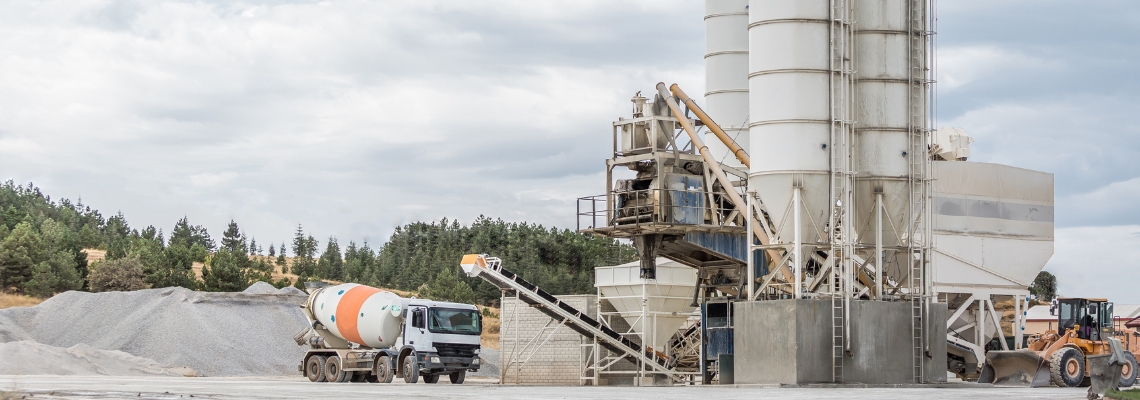
Concrete is a material that begins changing the moment water is added. That reaction is useful, but it can also create challenges when timing, temperature and logistics do not align perfectly on site. Retarder admixtures exist to solve this problem by slowing down how quickly concrete begins to set. They allow teams to work with fresh concrete for longer without compromising the final strength or durability of the structure.
Retarder admixtures are widely used across the construction industry because they improve control. When concrete sets too quickly it leads to rushed placement, uneven finishes and higher risk of defects. By extending the workable time, retarder admixtures support better planning, smoother workflows and more consistent results. This is especially valuable on busy sites, in warm weather or when concrete must travel long distances before placement.
Understanding how retarder admixtures work and when they should be used helps construction professionals make informed decisions that protect quality and efficiency. This guide explains retarder admixtures in simple terms, focusing on real world use rather than technical theory alone.
A retarder admixture is a chemical additive introduced into a concrete mix to slow the setting process. Once cement and water combine, hydration begins immediately. This reaction is what causes concrete to harden, but it can also happen faster than desired depending on conditions.
Retarder admixtures interfere with the early stages of hydration. They delay the formation of rigid bonds within the cement paste, allowing the concrete to remain workable for a longer period. This delay does not weaken the concrete when used correctly. Instead, it provides additional time for placing, compacting and finishing.
These admixtures matter because modern construction rarely operates under ideal conditions. Traffic delays, large pours, pumping requirements and complex formwork all increase the time needed to place concrete correctly. Without a retarder admixture, concrete can stiffen before work is complete, creating stress on both workers and material.
By slowing the setting process in a controlled way, retarder admixtures support better workmanship and reduce the risk of costly mistakes.
The hydration of cement is a chemical reaction that releases heat and gradually transforms liquid concrete into a solid mass. Retarder admixtures modify this reaction by slowing down how quickly hydration progresses during the early stages.
They do this by affecting how cement particles interact with water. The admixture forms a temporary barrier that delays the formation of hydration products. This keeps the mix plastic for longer without increasing water content, which is critical for maintaining strength.
The effect of a retarder admixture depends on several factors. Temperature plays a major role because higher heat speeds up hydration naturally. Cement type, mix design and dosage level also influence performance. When these elements are balanced correctly, the admixture delivers predictable and controlled results.
What matters most is that retarder admixtures slow the set time without stopping it. Once the delay period passes, the concrete continues to hydrate and gain strength as intended.
Retarder admixtures are not limited to one specific type of project. They are used wherever timing and workability need to be managed carefully.
In hot weather, concrete can set much faster than expected. High temperatures accelerate hydration and reduce workable time significantly. Retarder admixtures counteract this effect, helping crews place and finish concrete without rushing.
Large pours benefit greatly from retarders. Foundations, slabs and structural elements often require continuous placement to avoid cold joints. By extending the workable window, retarder admixtures allow one section to bond properly with the next.
Long distance transportation is another common reason for using retarder admixtures. When concrete travels from batching plant to site, time is lost. Retarders ensure that concrete arrives in a workable condition even after extended travel.
Complex pours also rely on retarders. When concrete must be pumped, placed around dense reinforcement or finished with precision, extra time reduces pressure and improves accuracy.
Workability describes how easy concrete is to place, shape and compact. Slump is one of the most common indicators of workability. As concrete begins to set, slump decreases rapidly.
Retarder admixtures help maintain slump for longer periods. This does not mean the concrete becomes overly wet. Instead, it preserves the original workability designed into the mix.
Maintaining consistent slump improves placement quality. It reduces segregation, improves consolidation and leads to smoother surface finishes. Workers can focus on accuracy rather than fighting stiff material.
Better slump retention also reduces the temptation to add water on site. Adding water weakens concrete and increases the risk of cracking. Retarder admixtures provide a safer and more controlled way to manage workability.
A common concern is whether retarder admixtures reduce strength. When used correctly, they do not. Retarders delay early hydration but do not interfere with long term strength development.
Concrete with a retarder admixture may gain strength more slowly in the first few hours. However, after curing, it reaches the same strength levels as concrete without a retarder. In some cases, improved curing conditions can even enhance final performance.
The key is correct dosage. Excessive amounts can delay setting too much, while insufficient amounts may provide little benefit. Following mix design guidance and testing ensures strength targets are met.
From a structural perspective, retarder admixtures are compatible with standard specifications when used responsibly.
One of the most valuable benefits of retarder admixtures is defect prevention. Rapid setting increases the risk of cold joints, uneven finishes and surface cracking.
Cold joints occur when one layer of concrete sets before the next is placed. This creates a weak plane within the structure. By extending workable time, retarder admixtures help pours bond properly.
Surface quality also improves. Finishing concrete that is setting too quickly often leads to marks, tearing and inconsistent textures. Retarders give finishers enough time to achieve uniform results.
Cracking caused by premature finishing or poor consolidation is also reduced. With better control over timing, concrete can be placed and finished under less stress.
Successful use of retarder admixtures depends on understanding site conditions. Temperature, humidity, pour size and transport time all influence how much retardation is required.
Admixtures should be added during batching according to manufacturer recommendations. Modern batching systems allow precise control, ensuring even distribution throughout the mix.
Trial mixes are valuable when conditions are unfamiliar. Testing helps confirm how the admixture behaves before full scale pours begin.
Communication is also important. Site teams should know how long concrete is expected to remain workable so placement and finishing can be planned accordingly.
When everyone understands the role of the retarder admixture, results are more consistent and predictable.
Quality control relies on consistency and documentation. Retarder admixtures support this by making concrete behaviour more predictable.
Slump tests taken over time show how well workability is retained. Observing setting times helps confirm dosage accuracy. These checks allow adjustments before problems arise.
Better control over setting also improves safety. Crews are less rushed and can focus on proper placement techniques.
From a project management perspective, using retarder admixtures simplifies scheduling and reduces disruption caused by unexpected setting issues.
Retarder admixtures can contribute to sustainability by reducing waste. Concrete that sets too fast often ends up rejected or reworked. Extending workable time helps ensure more material is used effectively.
They also reduce the need for water adjustments on site, which protects mix integrity and reduces material misuse.
As construction projects become more complex, admixtures that improve efficiency without compromising performance are increasingly valuable.
Retarder admixtures also support better coordination between concrete production and site operations, which is increasingly important as construction schedules become tighter and more complex. When teams know that concrete will remain workable for a predictable period, they can plan deliveries, labour and finishing activities with greater confidence. This reduces downtime, minimises pressure on site crews and lowers the risk of errors caused by rushed decision making. Over time, this improved coordination leads to more consistent build quality and fewer disruptions, making retarder admixtures a practical solution for maintaining control in real world construction environments.
Retarder admixtures are essential components in modern concrete construction, helping control setting time and improve workability in demanding conditions. They provide control over setting time, improve workability and help teams manage challenging conditions with confidence.
By slowing early hydration, they allow concrete to be placed and finished properly, reducing defects and improving overall quality. When selected and used correctly, retarder admixtures support stronger structures, smoother workflows and better outcomes on site.
Understanding how and when to use retarder admixtures is no longer optional. It is part of delivering reliable, high quality concrete in real world construction environments.

1 reviews · 2 photos
4 months agoVery help and gentle speak. Driver and pump guys very helpful. All team are amazing. Good quality concrete 👍🏼 nice stuff
Read More
63 reviews · 2 photos
4 months agoGood company. They do what they say, and at a good price. And have always been punctual and professional. I will use them again.
Read More
1 review
a month agoHad approximately 60m2 of concrete today they was very punctual, efficient, and tidy the best of used
Read More
10 reviews · 1 photo
a month agoVery quick and fast service harry was great thank you
Read More
1 review
2 months agoAm happy to pouring concrete with save time concrete the harry team works great highly recomended
Read More
3 reviews · 1 photo
a year agovery good service please use this company I’m very happy
Read More

12 reviews
a year agoFantastic company, great quality concrete, driver Gora Dhillon was really nice and kept me informed about the next truck and save me a lot of money...
Read More
1 reviews
a year agoSave Time Haulage is a top of the line organization. From the estimate to the last paver, they showed class and professionalism....
Read More
1 reviews
7 months agoOk happy with them. Fast and good customer service
Read More

1 reviews
6 months agoVery good service۔quick and cooperative also very competitive on price۔
Read More
