Blog Post
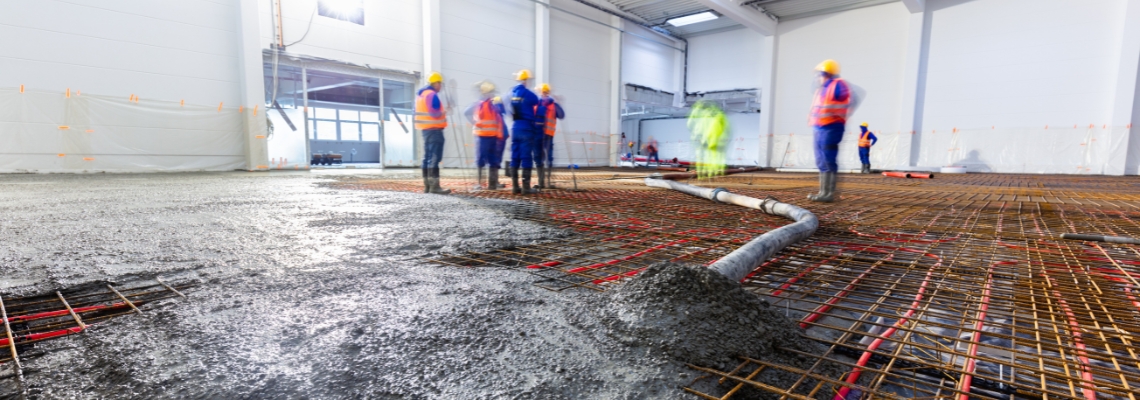
Onsite mixed screed is a key part of modern building work, especially on projects where control, timing and finish quality matter. For many construction professionals, screed is not just a finishing layer but a working surface that affects every stage that follows. Floors that are uneven, weak or slow to dry can delay programmes, increase costs and create long term problems once the building is in use. Understanding how onsite mixed screed works, and why it is widely used across domestic, commercial and industrial projects, helps contractors make better decisions on site and manage floor preparation with confidence.
In today’s construction environment, there is growing pressure to reduce waste, work more efficiently and respond quickly to site conditions. Onsite mixed screed fits well with these demands. By mixing screed at the place where it is needed, teams gain control over material quality, volume and timing. This approach reflects modern working practices where flexibility and reliability are valued just as much as speed. Many professionals search for information about onsite mixed screed because they want practical knowledge that supports real world site conditions, not theory alone. This article explores onsite mixed screed in detail, using clear UK English and a professional tone to explain how it supports modern building work without focusing on sales or promotion.
Screed is often described as a simple material, but its role is critical. It provides a smooth, level surface over a structural base, usually concrete, ready to receive the final floor finish. Any issues at the screed stage can affect the performance of tiles, vinyl, timber flooring or resin systems. Onsite mixed screed allows construction teams to manage this stage with greater accuracy and confidence, particularly on projects where access, timing or specification may change as work progresses.
Onsite mixed screed is made from cement, fine aggregates and water that are combined at the construction site using specialist mixing equipment. Unlike ready mixed screed that arrives pre blended, onsite mixed screed is produced fresh and used immediately. This ensures the material is workable, consistent and suited to the specific conditions of the site at the time of application. For experienced contractors, this freshness is one of the main advantages, as screed performance depends heavily on correct mixing and timely placement.
Preparation starts with the base. The concrete slab or substrate must be clean, sound and ready to receive screed. Any contaminants, loose material or surface defects should be dealt with before screeding begins. Once the base is prepared, the screed materials are measured and mixed onsite. This process allows the mix to be adjusted slightly if needed to suit temperature, humidity or the type of area being screeded. While the basic components remain the same, small changes in water content or mixing time can affect workability and finish.
The mixing process itself is designed to produce a consistent blend with no dry pockets or segregation. Modern onsite mixing equipment supports this by controlling the feed of materials and ensuring even distribution. Once mixed, the screed is placed and levelled using established techniques to achieve the required thickness and flatness. Because the screed is mixed close to where it is laid, there is less risk of it beginning to set before placement, which is a common issue with delivered screed if delays occur.
For professionals searching for how onsite mixed screed works in practice, the key point is control. Onsite mixing allows teams to match production to progress, rather than rushing to use a delivered load within a fixed time window. This supports a calmer, more methodical approach to floor preparation.
Modern building work often involves tight programmes, multiple trades and changing site conditions. Onsite mixed screed supports these demands by offering flexibility that is difficult to achieve with pre-mixed alternatives. When screed is mixed onsite, the team can start and stop production as required, making it easier to coordinate with other activities such as insulation installation, underfloor heating or service work.
One of the main challenges on busy sites is timing. Delivered screed requires the site to be fully ready at a specific time. Any delay can lead to wasted material or rushed application. Onsite mixed screed removes this pressure. Materials remain separate until mixing begins, so if preparation takes longer than planned, the screed quality is not affected. This is particularly useful on large or complex projects where access or sequencing can change at short notice.
Another reason onsite mixed screed fits modern working practices is waste reduction. By mixing only what is needed, contractors can avoid over ordering and disposal of unused material. This supports cost control and aligns with wider industry efforts to reduce environmental impact. Many professionals researching onsite mixed screed advantages are looking for ways to balance efficiency with responsible material use, and onsite mixing helps achieve this balance.
Health and safety also play a role. Reduced manual handling, fewer vehicle movements and cleaner sites all contribute to safer working conditions. Onsite mixing equipment can often be positioned to minimise travel distances for the screed, reducing physical strain on operatives and improving site organisation.
From a performance perspective, onsite mixed screed can meet the same standards as other screed methods when prepared and applied correctly. The key factors are correct proportions, thorough mixing and proper placement. Because onsite mixing allows real time observation of the material, experienced operators can identify and address issues immediately. This reduces the risk of weak spots, inconsistent drying or surface defects.
Flatness and level are critical quality measures for screed. Poor flatness can cause problems when installing floor finishes, leading to additional preparation work or long term performance issues. Onsite mixed screed supports better flatness because the team can focus on manageable sections and maintain consistent working conditions. The ability to mix screed in stages helps maintain quality across large floor areas without rushing.
Drying and curing are also important considerations. Screed needs time to develop strength and release moisture before the final floor is installed. Onsite mixed screed allows better planning of these stages because the timing of placement is fully controlled. Contractors can monitor conditions and protect the screed as it cures, reducing the risk of rapid drying, cracking or surface weakness.
Professionals often search for information about screed strength and durability. These qualities depend on correct mix design and site practice rather than where the screed is mixed. Onsite mixed screed supports good practice by keeping the process visible and manageable, which helps maintain standards across the project.
Onsite mixed screed is used across a wide range of project types, each with its own demands. In domestic building work, screed is commonly used in extensions, refurbishments and new builds. Homeowners may not always understand the importance of screed, but its quality affects comfort, appearance and long term maintenance. Onsite mixing allows contractors to work efficiently in residential areas, often with limited access, while maintaining control over noise, waste and timing.
In commercial settings, screed often covers large areas and must meet specific performance criteria. Office buildings, retail spaces and public buildings require flat, durable floors that can support heavy use. Onsite mixed screed supports these requirements by allowing consistent production and careful placement across wide areas. The ability to coordinate screeding with other trades is particularly valuable in commercial projects with tight programmes.
Industrial projects place even greater demands on floor performance. Warehouses, factories and distribution centres often require screed that can support heavy loads and constant traffic. While specialist screed systems may be used in some cases, onsite mixing remains a practical option where standard screed solutions meet the specification. Understanding how onsite mixed screed performs in these environments helps contractors choose the right approach for each project.
Across all settings, the common theme is control. Onsite mixed screed allows teams to respond to the specific needs of the project rather than adapting the project to suit a fixed delivery process.
Access and logistics are frequent challenges in construction. Sites may be located in urban areas with restricted access, limited space or strict working hours. Delivered screed can be difficult to manage in these conditions, particularly if large vehicles cannot reach the point of use. Onsite mixing equipment can often be positioned more flexibly, allowing screed to be supplied closer to the work area.
This flexibility reduces the need for long manual transport of material, which saves time and reduces physical effort. It also helps maintain screed quality by reducing the time between mixing and placement. For contractors working in constrained environments, this practical benefit is often a deciding factor.
Logistics also include scheduling deliveries and managing site traffic. Fewer deliveries of ready mixed material mean fewer vehicle movements, which supports safer and more organised sites. This is particularly important on projects where multiple trades are operating at the same time.
While onsite mixed screed offers many advantages, its success depends on skill and experience. Understanding material behaviour, recognising the effects of weather and knowing how to achieve the required finish are all essential. Experienced screeding teams develop a feel for the material and can adjust their approach as needed.
Training and knowledge sharing are important parts of maintaining quality. Onsite mixing allows less experienced workers to observe the process and learn from more skilled operatives. This supports the development of good practice and helps maintain consistent standards across projects.
Best practice also includes proper curing and protection of the screed after placement. This stage is sometimes overlooked, but it is critical for long term performance. Onsite mixed screed allows teams to plan curing conditions more effectively because they control the timing and environment from the start.
From a project planning perspective, onsite mixed screed supports predictability. When contractors know they can control screed production and placement, they can plan subsequent works with greater confidence. This helps reduce downtime and supports smoother handovers between trades.
Efficient planning also supports cost management. Reduced waste, fewer delays and improved quality all contribute to better financial outcomes. While screed is only one part of a project, its impact on the overall programme should not be underestimated.
Many professionals researching onsite mixed screed are looking for ways to improve workflow rather than simply change materials. Onsite mixing supports this goal by aligning material supply with site activity.
As construction methods continue to evolve, onsite mixed screed remains relevant because it aligns with core industry priorities. Flexibility, efficiency and quality are unlikely to lose importance. While new materials and systems continue to emerge, the principles behind onsite mixing remain sound.
Increased focus on sustainability may further support onsite mixed screed, as waste reduction and efficient material use become more important. Advances in mixing equipment and site management tools may also enhance the benefits of onsite mixing in the future.
For modern building work, onsite mixed screed represents a practical approach grounded in experience rather than theory. Its continued use reflects its ability to meet real site needs.
Understanding onsite mixed screed helps construction professionals manage one of the most important stages of floor preparation. By mixing screed at the site, teams gain control over timing, quality and volume, which supports better outcomes across a wide range of projects. Onsite mixed screed fits well with modern construction demands, offering flexibility without compromising performance.
This approach is not about replacing all other methods but about choosing the right solution for the job. For many projects, onsite mixed screed provides the balance of control and reliability needed to deliver high quality floors efficiently. By focusing on good practice and informed decision making, contractors can use onsite mixed screed as a dependable part of modern building work.

1 reviews · 2 photos
4 months agoVery help and gentle speak. Driver and pump guys very helpful. All team are amazing. Good quality concrete 👍🏼 nice stuff
Read More
63 reviews · 2 photos
4 months agoGood company. They do what they say, and at a good price. And have always been punctual and professional. I will use them again.
Read More
1 review
a month agoHad approximately 60m2 of concrete today they was very punctual, efficient, and tidy the best of used
Read More
10 reviews · 1 photo
a month agoVery quick and fast service harry was great thank you
Read More
1 review
2 months agoAm happy to pouring concrete with save time concrete the harry team works great highly recomended
Read More
3 reviews · 1 photo
a year agovery good service please use this company I’m very happy
Read More

12 reviews
a year agoFantastic company, great quality concrete, driver Gora Dhillon was really nice and kept me informed about the next truck and save me a lot of money...
Read More
1 reviews
a year agoSave Time Haulage is a top of the line organization. From the estimate to the last paver, they showed class and professionalism....
Read More
1 reviews
7 months agoOk happy with them. Fast and good customer service
Read More

1 reviews
6 months agoVery good service۔quick and cooperative also very competitive on price۔
Read More
