Blog Post
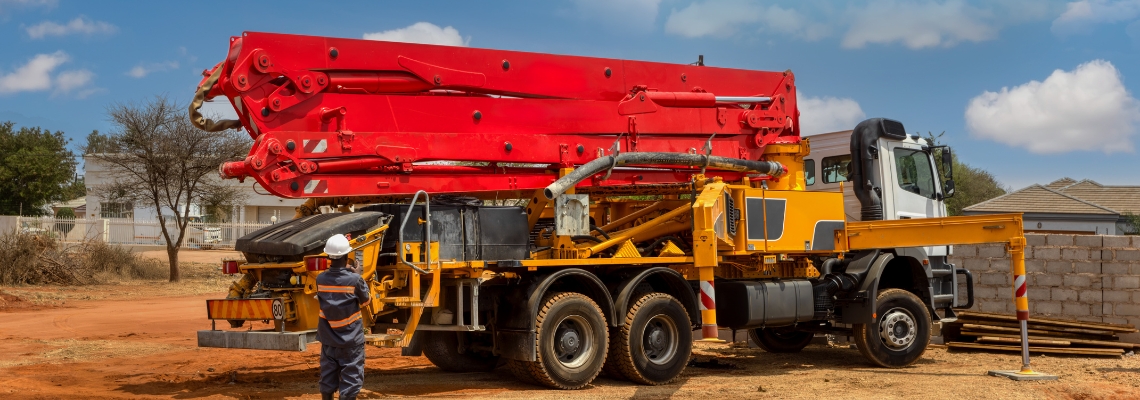
Concrete placement is one of the most important stages of any building project. Whether the work involves foundations, floors, extensions or structural elements, the way concrete is delivered can affect speed, safety and overall quality. A line pump is a widely used method of concrete pumping that supports controlled and accurate placement, especially on sites where access is limited or working conditions change throughout the day. Understanding how a line pump works and why it is used helps construction professionals plan projects more effectively and reduce common site challenges.
In modern construction, efficiency and flexibility are essential. Many sites operate within tight spaces, residential areas or busy commercial environments where large vehicles cannot always reach the point of placement. A line pump allows concrete to be delivered through flexible hoses directly to where it is needed. This reduces manual handling, improves consistency and helps teams maintain control over the pour. Line pumps are commonly used across domestic, commercial and industrial projects, making them an important topic for builders, contractors and site managers who want reliable information rather than sales driven content.
This article explains line pump use in clear and practical terms. It focuses on how line pumps support modern building work, how they compare to other pumping methods and why they remain a trusted solution across the UK construction sector. The goal is to provide insight and understanding that supports better decision making on site.
A line pump is a type of concrete pump that uses flexible hoses to transport concrete from the pump to the point of placement. The pump itself is usually mounted on a vehicle or trailer and connects to a series of rubber or steel pipes. These pipes can be laid along the ground, around corners or through buildings to reach areas that would otherwise be difficult to access.
Concrete is fed into the pump hopper and pushed through the line using controlled pressure. This allows the concrete to move smoothly and steadily, reducing the risk of segregation or inconsistent flow. Because the hoses are flexible, they can be adjusted as the work progresses, giving the team control over where the concrete is delivered.
Line pumps are often chosen for projects where space is limited. Residential streets, rear gardens, basements and internal floor pours are common examples. In these situations, a larger boom pump may not be suitable due to height restrictions, overhead obstructions or limited setup space. A line pump offers a practical alternative that fits modern site constraints.
Understanding how a line pump works helps professionals plan site layout and sequencing more effectively. Knowing where hoses will run, how far concrete can be pumped and how quickly material can be delivered allows teams to coordinate labour and equipment with greater confidence.
Modern construction sites are rarely simple open spaces. Many projects take place in built up areas where access is restricted and working hours are controlled. Line pumps suit these environments because they require less space to operate and can be positioned away from the main work area.
One of the key advantages of a line pump is flexibility. Hoses can be routed around obstacles, through buildings or down into excavations. This allows concrete placement without the need for heavy manual handling. Reducing manual handling improves safety and helps maintain consistent pour quality.
Line pumps also support better timing control. Concrete can be pumped at a steady pace that matches the speed of placement. This reduces the risk of cold joints and helps maintain a uniform finish. On projects where multiple pours are required throughout the day, a line pump allows teams to work methodically rather than rushing to use delivered material before it sets.
Many professionals search for information about line pump benefits because they want solutions that fit real site conditions. Line pumps respond well to changing requirements, making them suitable for projects where plans evolve as work progresses.
When planning concrete delivery, contractors often consider whether a line pump or a boom pump is the better choice. Each method has strengths, and understanding the differences helps ensure the right solution is selected.
A boom pump uses a hydraulic arm to deliver concrete from above. This works well on large open sites where height and reach are required. However, boom pumps need significant space for setup and operation. They may not be suitable in areas with overhead cables, trees or nearby buildings.
Line pumps, by contrast, deliver concrete horizontally through hoses. This makes them ideal for lower level work and sites with access restrictions. While line pumps may require more planning in terms of hose layout, they offer greater adaptability in confined spaces.
Another difference lies in control. Line pumps allow more direct control over the placement point. Operators can move hoses easily, directing concrete exactly where it is needed. This precision is valuable when working on detailed or segmented pours.
Professionals often search for line pump vs boom pump comparisons because choosing the wrong method can lead to delays or added costs. Understanding these differences supports better planning and smoother project delivery.
Quality concrete placement depends on consistency, timing and proper handling. Line pumps support these factors by delivering concrete smoothly and evenly. The controlled pressure used in pumping helps maintain mix integrity, reducing the risk of segregation that can occur with manual tipping or long wheelbarrow runs.
By placing concrete closer to its final position, line pumps reduce the need for excessive reworking. This helps maintain the designed mix properties and supports better compaction. Consistent placement also improves surface finish, which is particularly important for slabs and floors.
Line pumps also support better communication on site. Because placement is controlled and visible, teams can coordinate more effectively. Adjustments can be made quickly if conditions change or if certain areas require more attention.
Many searches around how a concrete line pump works relate to concerns about quality and reliability. When used correctly, line pumps contribute to high standards of workmanship and reduce common placement issues.
Access challenges are common across construction projects. Narrow driveways, rear access only sites and internal pours all present logistical difficulties. Line pumps help overcome these challenges by allowing the pump vehicle to be positioned away from the pour area.
This separation reduces congestion on site and allows other trades to continue working nearby. It also reduces the need for temporary road closures or extensive traffic management in residential or urban settings.
Logistics also include managing deliveries and site flow. Line pumps allow concrete delivery vehicles to discharge into the pump hopper efficiently, reducing waiting times and improving turnaround. This supports smoother operations and better use of resources.
For contractors working in tight environments, understanding line pump logistics helps reduce disruption and improve coordination with clients and neighbours.
Safety is a major consideration in concrete pumping. Line pumps contribute to safer sites by reducing manual handling and limiting the need for workers to move heavy loads across uneven ground.
Proper setup and operation are essential. Hoses must be secured, and pressure must be managed carefully to avoid blockages or sudden movement. Experienced operators understand how to maintain steady flow and respond to changes in material behaviour.
Communication is also important. Clear signals and coordination between pump operators and placement teams help ensure safe and efficient pours. This shared understanding reduces risk and supports a calm working environment.
Many professionals look for guidance on safe concrete pumping practices. Line pumps, when used correctly, align well with modern safety expectations on construction sites.
Line pumps are used across a wide range of construction projects. In domestic work, they are often used for foundations, extensions and garden projects. Home sites frequently have limited access, making line pumps a practical choice.
In commercial construction, line pumps support floor slabs, internal pours and phased work. Their ability to deliver concrete accurately supports quality finishes and efficient scheduling.
Industrial projects may also use line pumps where access or layout makes boom pumps impractical. While project requirements vary, the underlying benefit remains the same. Controlled and reliable concrete placement.
Understanding how line pumps perform across different settings helps professionals assess their suitability for each project.
From a planning perspective, line pumps support predictability. Knowing how concrete will be delivered allows teams to schedule labour and equipment more accurately.
Efficiency gains come from reduced rework, faster placement and improved coordination. These factors contribute to better cost control and reduced downtime.
Many professionals researching line pump hire or use are focused on workflow improvements rather than equipment alone. Line pumps support this goal by aligning delivery with placement needs.
Despite advances in construction technology, line pumps remain highly relevant. Their adaptability and reliability make them suitable for a wide range of projects.
As sites become more constrained and expectations around safety and efficiency increase, line pumps continue to offer practical solutions. Improvements in pump technology and hose materials also support ongoing use.
Understanding line pump operation and benefits helps professionals stay informed and make confident choices in a changing industry.
A line pump is more than just a piece of equipment. It is a tool that supports control, safety and quality in concrete placement. By understanding how line pumps work and where they are best used, construction professionals can plan more effectively and reduce common site challenges.
This knowledge supports better decision making and smoother project delivery. Line pumps remain a trusted solution in modern construction because they address real site needs with flexibility and reliability.

1 reviews · 2 photos
4 months agoVery help and gentle speak. Driver and pump guys very helpful. All team are amazing. Good quality concrete 👍🏼 nice stuff
Read More
63 reviews · 2 photos
4 months agoGood company. They do what they say, and at a good price. And have always been punctual and professional. I will use them again.
Read More
1 review
a month agoHad approximately 60m2 of concrete today they was very punctual, efficient, and tidy the best of used
Read More
10 reviews · 1 photo
a month agoVery quick and fast service harry was great thank you
Read More
1 review
2 months agoAm happy to pouring concrete with save time concrete the harry team works great highly recomended
Read More
3 reviews · 1 photo
a year agovery good service please use this company I’m very happy
Read More

12 reviews
a year agoFantastic company, great quality concrete, driver Gora Dhillon was really nice and kept me informed about the next truck and save me a lot of money...
Read More
1 reviews
a year agoSave Time Haulage is a top of the line organization. From the estimate to the last paver, they showed class and professionalism....
Read More
1 reviews
7 months agoOk happy with them. Fast and good customer service
Read More

1 reviews
6 months agoVery good service۔quick and cooperative also very competitive on price۔
Read More
