Blog Post
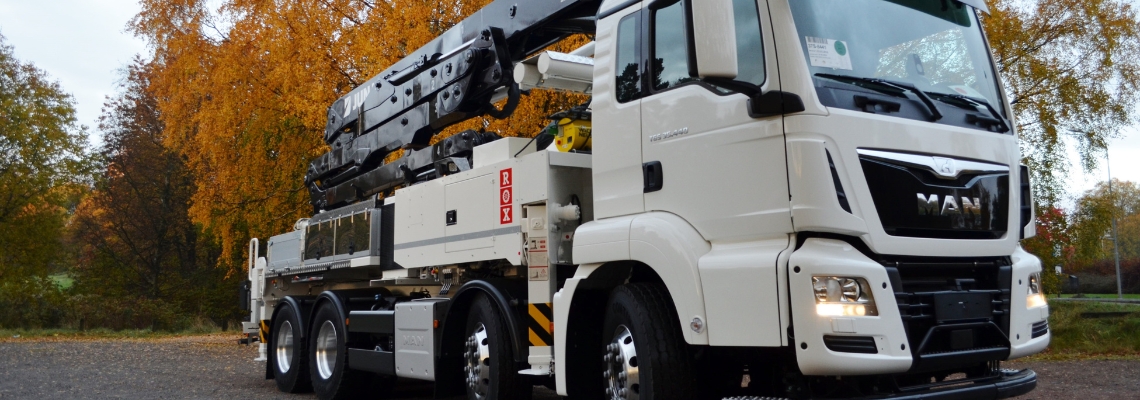
Placing concrete correctly is one of the most important stages in any construction project. Whether the work involves a small residential improvement or a large commercial structure, the method used to move concrete across the site directly affects productivity, safety, and the final structural quality. Over the years, construction practices have evolved significantly, and modern sites now rely on specialised equipment to transport concrete efficiently. Among these technologies, the Line Pump has become an essential solution for projects where precision and accessibility are important.
Many construction sites today operate in environments where direct truck access is limited. Urban developments, residential properties with narrow entrances, and interior construction areas often present challenges for traditional concrete delivery. In these situations, pumping systems provide a practical way to move concrete to the exact placement point without unnecessary delays. A Concrete Line Pump allows concrete to travel through a connected network of pipes and hoses, enabling contractors to pour concrete precisely where it is required.
In major urban centres like London, construction projects are often carried out in areas where space is restricted and access for heavy vehicles is limited. This makes efficient concrete placement a key requirement for keeping work on schedule. As a result, companies that specialise in concrete supply and pumping have adapted their services to support modern site conditions.
Providers such as Save Time Haulage assist construction teams by supplying ready mix concrete along with pumping solutions that help deliver concrete precisely where it is needed, allowing projects to move forward without unnecessary delays.
Understanding how pumping technology works and where it is most beneficial can help builders, contractors, and property owners make informed decisions. From residential extensions to large infrastructure developments, the Line Pump plays a central role in delivering concrete quickly, accurately, and safely.
Concrete pumping has transformed how construction sites manage material delivery. Earlier construction projects relied heavily on manual labour to transport concrete from the delivery truck to the placement area. Workers used wheelbarrows, buckets, and manual lifting to move the material across the site. This process required time, effort, and coordination, often slowing down the overall progress of the project.
The introduction of pumping technology changed this approach completely. By using a Concrete Pumping Service, contractors can now move concrete through pipes directly from the mixer truck to the location where it needs to be poured. This method reduces manual handling and allows workers to focus on finishing and structural preparation rather than transportation.
Concrete pumping systems operate through hydraulic pressure. Fresh concrete is placed inside the pump hopper and pushed through a series of pipelines until it reaches the destination point. Because the concrete remains in a controlled flow during this process, the risk of segregation or inconsistency is reduced. This makes pumping technology especially valuable for structural pours that require uniform distribution.
Construction projects often operate on tight timelines, and delays during material transport can affect multiple stages of the build. Pumping systems provide a steady flow of concrete that allows contractors to maintain continuous pouring conditions.
A Concrete Placement Pump helps ensure that the material is delivered exactly where it is required, reducing unnecessary movement across the site. This precision allows construction teams to focus on finishing tasks such as levelling, smoothing, and curing the concrete surface.
Urban construction environments present unique logistical challenges. Narrow streets, limited site access, and surrounding buildings can restrict the movement of large vehicles. In these circumstances, pumping systems provide an efficient alternative for transporting concrete across the site.
A Concrete Pump for Restricted Access allows concrete to reach areas that are not directly accessible by trucks. This capability ensures that construction work can continue even in complex environments where traditional delivery methods would struggle.
The Line Pump is a type of concrete pump designed to transport concrete through flexible pipelines that run along the ground. Unlike large boom pumps that use an extendable arm, a line pump relies on hoses connected to a pumping unit that pushes concrete through the pipeline system.
A Ground Line Pump is particularly effective for construction sites where the placement area is located at ground level or where pipelines need to travel around obstacles. Because the hoses can be arranged across the site, the pump provides excellent flexibility for positioning concrete.
The system usually consists of a pumping unit, a hopper where concrete is loaded, and a series of pipes or hoses that transport the concrete. Once the concrete enters the pump, hydraulic pressure forces it through the pipeline until it reaches the final placement area.
The pumping unit generates the pressure required to move concrete through the pipes. It receives freshly mixed concrete from the delivery truck and pushes it into the pipeline.
A Flexible Hose Concrete Pump system uses durable pipes and hoses that can be arranged across the construction site. These hoses can travel around corners, through narrow pathways, or across uneven terrain.
The hopper acts as the entry point where concrete is loaded into the pump. The pumping mechanism then pushes the material into the pipeline.
A Trailer Mounted Line Pump is commonly used for ground level pumping tasks. It is mounted on a trailer that can be transported easily between construction sites.
In comparison, a Stationary Concrete Pump is designed for projects that require continuous pumping in a fixed position. Both systems rely on pipelines to deliver concrete, but the trailer mounted pump provides greater mobility.
Construction sites often face logistical challenges when transporting materials. Heavy machinery, limited space, and complex site layouts can make manual concrete placement inefficient. Pumping systems solve this problem by delivering concrete directly to the required location.
The Line Pump plays an important role in improving site productivity because it allows construction teams to pour concrete faster while maintaining quality.
One of the main advantages of pumping systems is the reduction in manual material handling. Workers no longer need to move concrete using wheelbarrows or buckets. Instead, the pump transports the material while workers concentrate on placement and finishing.
A Concrete Delivery Pump Service allows concrete to reach the placement point quickly. This efficiency helps construction teams maintain project schedules and avoid delays caused by manual transport.
Reducing manual lifting and transportation helps lower the risk of injuries on construction sites. Pumping systems allow workers to remain in controlled positions while monitoring the concrete pour.
A Concrete Pump Truck working alongside pumping equipment ensures that concrete is supplied continuously throughout the pouring process. This helps maintain consistent structural quality.
The versatility of pumping technology makes it suitable for a wide range of construction projects. Builders frequently rely on pumping systems for both residential and commercial work because they allow concrete to reach areas that would otherwise be difficult to access.
Home improvement projects often involve limited access areas such as back gardens or narrow driveways. In these situations, pumping systems provide a practical solution for transporting concrete without disturbing surrounding structures.
A Concrete Pump for Foundations allows contractors to deliver concrete directly into foundation formwork. This ensures an even distribution of concrete that supports the structural integrity of the building.
Residential driveway construction often requires precise placement of concrete. Using a Concrete Pump for Driveways allows contractors to pour the material smoothly across the prepared surface.
Large scale construction projects require efficient material handling systems to maintain productivity. Pumping systems help contractors manage large volumes of concrete without delays.
Construction Concrete Pumping is commonly used in commercial developments such as warehouses, office buildings, and industrial facilities. Pumping equipment ensures that concrete can be delivered across large sites efficiently.
A Stationary Concrete Pump is often used in projects where concrete needs to be delivered continuously for extended periods.
Concrete pumping works most effectively when combined with ready mix concrete delivery. Ready mix concrete is prepared in controlled batching plants and transported to the site in specialised mixer trucks. This method ensures consistent quality and proper mixing before the concrete arrives at the construction site.
When Ready Mix Concrete Pumping is used, the concrete can move directly from the mixer truck into the pump hopper and then through the pipeline to the placement area.
Ready mixed concrete is produced under controlled conditions, ensuring that each batch meets required specifications.
Using ready mix concrete alongside pumping systems reduces the time required to prepare and place concrete.
Pumping systems help deliver concrete precisely where it is needed, reducing spillage and unnecessary waste.
Selecting the correct pumping method depends on several factors, including site layout, distance between the truck and the placement area, and the type of structure being built.
A Concrete Hose Pump is often preferred for projects where flexibility is required. The hoses can be arranged across the ground and adjusted to reach the desired location.
For projects in urban areas, contractors often consider Concrete Line Pump Hire London services to access equipment without investing in specialised machinery.
The distance between the concrete truck and the placement area plays a significant role in determining the most suitable pumping method.
A Concrete Line Pump Hire London solution is often used for projects located in areas with restricted access.
Large projects may require high capacity pumps, while smaller residential jobs can be completed with compact pumping systems.
As cities expand and construction becomes more complex, the demand for efficient material transport continues to increase. Urban construction projects often involve limited access sites where traditional delivery methods are not practical.
Pumping technology has become a key part of modern construction logistics because it allows contractors to move concrete efficiently across crowded environments.
The Line Pump remains one of the most practical solutions for ground level concrete placement because it combines flexibility with consistent performance. By allowing concrete to travel through pipelines directly to the placement area, pumping systems support faster project completion while maintaining structural quality.
As construction technology continues to evolve, pumping systems will remain essential tools for builders and contractors. The ability to deliver concrete quickly and accurately ensures that projects can progress smoothly even in challenging environments. For construction professionals working on residential and commercial developments, the Line Pump will continue to play a central role in efficient concrete placement across modern building sites.

1 reviews · 2 photos
4 months agoVery help and gentle speak. Driver and pump guys very helpful. All team are amazing. Good quality concrete 👍🏼 nice stuff
Read More
63 reviews · 2 photos
4 months agoGood company. They do what they say, and at a good price. And have always been punctual and professional. I will use them again.
Read More
1 review
a month agoHad approximately 60m2 of concrete today they was very punctual, efficient, and tidy the best of used
Read More
10 reviews · 1 photo
a month agoVery quick and fast service harry was great thank you
Read More
1 review
2 months agoAm happy to pouring concrete with save time concrete the harry team works great highly recomended
Read More
3 reviews · 1 photo
a year agovery good service please use this company I’m very happy
Read More

12 reviews
a year agoFantastic company, great quality concrete, driver Gora Dhillon was really nice and kept me informed about the next truck and save me a lot of money...
Read More
1 reviews
a year agoSave Time Haulage is a top of the line organization. From the estimate to the last paver, they showed class and professionalism....
Read More
1 reviews
7 months agoOk happy with them. Fast and good customer service
Read More

1 reviews
6 months agoVery good service۔quick and cooperative also very competitive on price۔
Read More
