Blog Post
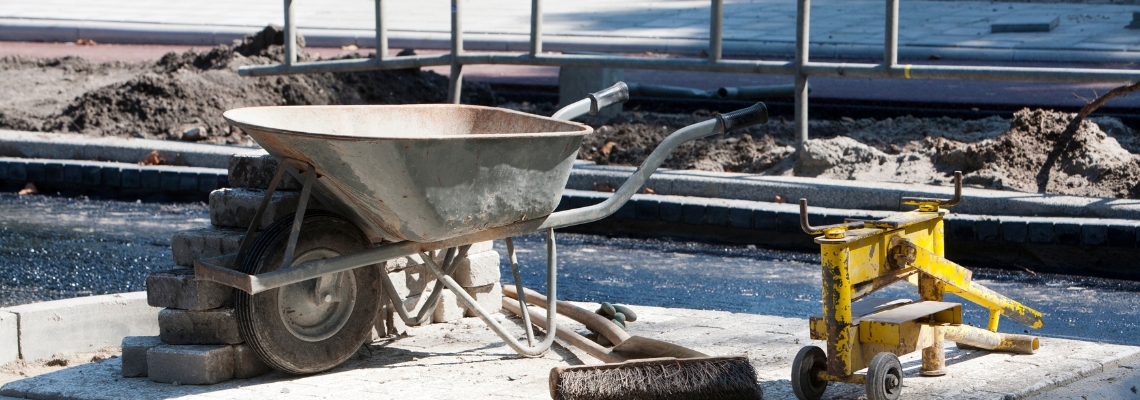
Concrete barrowing service is an essential but often underestimated part of modern construction work. While concrete pumps, chutes and direct vehicle access are common on many sites, there are still countless situations where these methods simply are not practical. In these cases, concrete must be moved manually from the delivery point to the exact location where it is needed. This is where a concrete barrowing service becomes vital. It focuses on the controlled, safe and efficient movement of fresh concrete using wheelbarrows across short to medium distances on site. The process may appear simple, but it requires planning, experience and physical skill to ensure the concrete remains workable, consistent and suitable for placement.
Concrete begins to change the moment it is mixed. Timing is critical, and any delay or mishandling can affect its strength, finish and durability. A concrete barrowing service exists to manage this time sensitive stage of construction. It supports builders, contractors and site managers by ensuring concrete reaches its destination promptly, even when access is restricted or conditions are challenging. From residential builds and renovations to commercial and industrial projects, concrete barrowing remains a practical solution that bridges the gap between delivery and placement. Understanding how this service works and when it is needed helps improve efficiency, reduce waste and protect the quality of the finished structure.
A concrete barrowing service involves the manual transportation of freshly mixed concrete using wheelbarrows from the delivery vehicle to the point of use. This might be across uneven ground, through narrow access routes, inside buildings or around obstacles already in place on site. The key purpose is to ensure concrete is moved smoothly and without interruption so it can be poured, levelled and finished while it is still in its optimal condition.
The process requires more than simply pushing a wheelbarrow. Workers must understand how much concrete to load per trip to balance efficiency with control. Overloading can cause spills, slow movement and physical strain, while underloading increases the number of trips and wastes time. A professional concrete barrowing service uses experienced operatives who know how to judge these factors accurately. They also understand how concrete behaves under different weather conditions and site environments, allowing them to adjust their pace and handling accordingly.
Barrowing teams often work closely with the concrete delivery schedule. Timing is coordinated so that concrete is transferred from the truck to the wheelbarrows without unnecessary waiting. This reduces the risk of concrete beginning to stiffen before it reaches its destination. It also keeps the site organised and prevents congestion around the delivery area. When carried out correctly, a concrete barrowing service becomes a seamless extension of the concrete supply process rather than a separate or disruptive task.
Despite advances in construction technology, concrete barrowing remains highly relevant. Not every site can accommodate pumps or large machinery, and not every project justifies their use. Many residential and small commercial builds involve tight access points, existing structures or delicate surroundings that require a lighter touch. In these situations, wheelbarrows offer flexibility and precision that machinery cannot always provide.
Concrete barrowing is also valuable when working inside buildings. Basement floors, internal extensions and refurbishment projects often require concrete to be moved through doorways, corridors or stairwells. Pumps may not reach these areas, and hoses can be impractical or disruptive. Barrowing allows concrete to be delivered exactly where it is needed with minimal impact on the surrounding space.
Another reason concrete barrowing remains important is cost control. Hiring large equipment for small volumes of concrete can be inefficient. A concrete barrowing service offers a practical alternative that suits projects with limited quantities or complex layouts. It allows builders to adapt to site conditions without compromising on quality or schedule. As a result, barrowing continues to play a crucial role across a wide range of construction environments.
Efficiency on a construction site depends on smooth coordination between tasks. Concrete barrowing directly affects this flow. When concrete is delivered, it must be placed promptly. Any delay can disrupt follow-on trades, extend working hours and increase costs. A well organised barrowing service helps maintain momentum by ensuring concrete reaches the placement area without interruption.
Experienced barrowing teams move at a consistent pace that matches the speed of placement. This balance prevents concrete from building up at one end of the site while crews wait at the other. It also reduces the risk of cold joints, which occur when one section of concrete begins to set before the next is placed. Avoiding these issues improves the structural integrity and appearance of the finished work.
Efficiency is also about minimising waste. Spilled or discarded concrete represents lost material and added clean up time. Skilled barrowing operatives reduce this risk through careful loading and controlled movement. By keeping the site cleaner and more organised, they support safer working conditions and faster progress overall.
Handling concrete manually carries physical demands and potential risks. Fresh concrete is heavy, abrasive and alkaline. Prolonged exposure or improper handling can cause strain injuries or skin irritation. A professional concrete barrowing service takes these risks seriously and applies appropriate safety practices.
Wheelbarrows used for concrete are typically heavy duty and designed to handle significant loads. Operators are trained to push rather than pull where possible, maintain good posture and avoid sudden movements. Routes are planned to minimise slopes, obstacles and uneven surfaces. This helps minimise the risk of accidents and injuries.
Personal protective equipment also plays a role. Gloves, protective footwear and suitable clothing help protect workers from direct contact with concrete and from slips or falls. By assigning barrowing tasks to trained personnel, site managers can reduce the burden on general labour and maintain a safer working environment. This approach aligns with modern health and safety standards and supports long term workforce wellbeing.
Concrete barrowing service is particularly useful on sites with limited access. Narrow driveways, terraced housing, rear garden builds and inner city locations often restrict vehicle movement. In these cases, barrowing becomes the most practical method of moving concrete to the required location.
It is also valuable when working around existing structures. Landscaping projects, extensions and repair works frequently require concrete to be placed without disturbing surrounding features. Barrowing allows operatives to navigate carefully around walls, trees, services and finished surfaces. This level of control helps preserve the integrity of the site while delivering concrete accurately.
Another common use is during finishing stages of larger pours. Even when pumps are used, there may be areas that require manual adjustment or topping up. Barrowing supports these final details, ensuring edges, corners and hard to reach spots receive adequate coverage. This attention to detail contributes to a higher quality finish and longer lasting results.
Effective planning is essential when a project involves concrete barrowing. The first step is assessing the distance between the delivery point and the placement area. This distance influences the number of barrow loads required, the time involved and the size of the barrowing team needed. Longer distances may require additional manpower to maintain a steady flow.
The condition of the route is equally important. Uneven ground, steps, ramps or confined spaces can slow progress and increase risk. Identifying these challenges early allows for adjustments such as temporary walkways or alternative access routes. Good planning ensures that barrowing does not become a bottleneck during the pour.
Timing also plays a critical role. Concrete delivery, barrowing and placement must be synchronised. Delays at any stage can compromise the concrete. Clear communication between suppliers, barrowing teams and site crews helps maintain alignment. This coordination is especially important on busy sites where multiple activities are happening at once.
Concrete is a time sensitive material. Once mixed, it begins to hydrate and gradually lose workability. During barrowing, the goal is to transport the concrete quickly while maintaining its consistency. Excessive jolting, delays or exposure to wind and sun can affect the mix.
Experienced barrowing operatives understand how to manage these factors. They adjust their pace based on temperature and site conditions. In warmer weather, speed becomes even more important. In cooler conditions, maintaining a steady flow helps prevent segregation or stiffening. This knowledge ensures that concrete arrives ready for placement and finishing.
Water management is another consideration. Adding water on site to improve workability can weaken concrete if done incorrectly. A professional concrete barrowing service avoids unnecessary alterations to the mix and focuses instead on efficient movement. This preserves the integrity of the concrete and supports long term performance.
Quality control in construction extends beyond materials and design. It includes how materials are handled on site. Concrete barrowing directly influences the quality of the finished product. Poor handling can introduce air pockets, uneven distribution or contamination.
A skilled barrowing service helps maintain consistency across the pour. Concrete is delivered evenly and placed methodically, allowing finishers to work effectively. This reduces the need for corrective work later and improves the overall appearance of the surface.
Quality also relates to durability. Properly placed concrete is less likely to crack, spall or fail prematurely. By ensuring concrete reaches its destination in optimal condition, barrowing services contribute to structures that perform as intended over time. This reinforces the importance of treating barrowing as a skilled task rather than an afterthought.
Concrete waste has environmental and financial implications. Excess material must be disposed of responsibly, and spills can damage surrounding areas. A concrete barrowing service helps minimise waste through accurate loading and careful movement.
Maintaining a clean site also supports efficiency and safety. Clear pathways reduce trip hazards and make it easier for other trades to work alongside concreting activities. By keeping concrete confined to designated areas, barrowing teams help preserve landscaping, finishes and existing structures.
Environmental awareness is becoming increasingly important in construction. Reducing waste, managing materials responsibly and working efficiently all contribute to more sustainable practices. Concrete barrowing, when done properly, supports these goals by making the most of the material delivered.
Although simple tools are used, concrete barrowing relies heavily on human skill and judgement. Each site presents unique challenges, and experienced operatives adapt their approach accordingly. They read the site, anticipate obstacles and maintain a rhythm that keeps the pour moving smoothly.
This human element is particularly valuable on complex or changing sites. Conditions may shift during the day due to weather, access changes or coordination with other trades. Skilled barrowing teams respond to these changes without disrupting progress. Their experience allows them to make quick decisions that protect both safety and quality.
Recognising the skill involved in concrete barrowing helps explain why professional services exist. It is not merely about moving material but about supporting the entire concreting process. This perspective encourages better planning and greater appreciation for the role barrowing plays in successful construction projects.
Concrete work rarely happens in isolation. It must fit within a wider schedule that includes groundwork, formwork, reinforcement and finishing. Concrete barrowing interacts with all of these stages. Poor coordination can lead to delays or rework.
By integrating barrowing into the overall plan, site managers can ensure that concrete arrives when forms are ready and finishers are prepared. This alignment reduces idle time and keeps the project moving forward. It also allows other trades to plan around the concreting work with minimal disruption.
Clear communication is key. Everyone involved should understand the timing and route of concrete movement. This shared awareness helps prevent congestion and supports a safer, more organised site. Concrete barrowing, when integrated effectively, becomes a supporting force rather than a challenge.
The impact of concrete barrowing extends beyond the day of the pour. Proper handling contributes to structural performance, surface finish and durability. These factors influence maintenance requirements and the lifespan of the build.
Investing time and attention in the barrowing process helps avoid issues that may only become apparent later. Cracks, uneven surfaces or weak sections often trace back to placement problems. By ensuring concrete is delivered and placed correctly, barrowing services help protect the long term value of the project.
This long term perspective aligns with professional construction standards. Quality workmanship at every stage, including material handling, supports better outcomes for clients and builders alike. Concrete barrowing, though often unseen in the final structure, plays a quiet but important role in achieving these results.
Concrete barrowing service remains a practical and necessary part of construction work. It addresses the realities of site access, project scale and material behaviour in a way that machinery alone cannot. Through careful planning, skilled execution and close coordination with other site activities, barrowing supports efficient, safe and high quality concrete placement.
Understanding the role of concrete barrowing helps builders and project managers make informed decisions. It highlights the value of experience, timing and attention to detail in handling one of the most important construction materials. While the tools may be simple, the impact of effective barrowing is significant. It ensures that concrete reaches its destination ready to perform its role within the structure, contributing to builds that are strong, durable and well finished.

1 reviews · 2 photos
4 months agoVery help and gentle speak. Driver and pump guys very helpful. All team are amazing. Good quality concrete 👍🏼 nice stuff
Read More
63 reviews · 2 photos
4 months agoGood company. They do what they say, and at a good price. And have always been punctual and professional. I will use them again.
Read More
1 review
a month agoHad approximately 60m2 of concrete today they was very punctual, efficient, and tidy the best of used
Read More
10 reviews · 1 photo
a month agoVery quick and fast service harry was great thank you
Read More
1 review
2 months agoAm happy to pouring concrete with save time concrete the harry team works great highly recomended
Read More
3 reviews · 1 photo
a year agovery good service please use this company I’m very happy
Read More

12 reviews
a year agoFantastic company, great quality concrete, driver Gora Dhillon was really nice and kept me informed about the next truck and save me a lot of money...
Read More
1 reviews
a year agoSave Time Haulage is a top of the line organization. From the estimate to the last paver, they showed class and professionalism....
Read More
1 reviews
7 months agoOk happy with them. Fast and good customer service
Read More

1 reviews
6 months agoVery good service۔quick and cooperative also very competitive on price۔
Read More
